Unveiling the Importance of Vietnamese Phin Filter in Coffee Culture
- Anesa Creations
- Apr 13
- 4 min read

Coffee lovers around the world appreciate the unique flavors and brewing methods that define different cultures. Among these, the Vietnamese phin stands out as a simple yet essential tool that shapes the experience of Vietnamese coffee. This small metal drip filter has played a crucial role in the development of Vietnam’s coffee culture, influencing how coffee is brewed, enjoyed, and shared. Understanding the importance of the Vietnamese phin reveals much about the country’s traditions, social habits, and even its economy.

What is the Vietnamese Phin Filter?
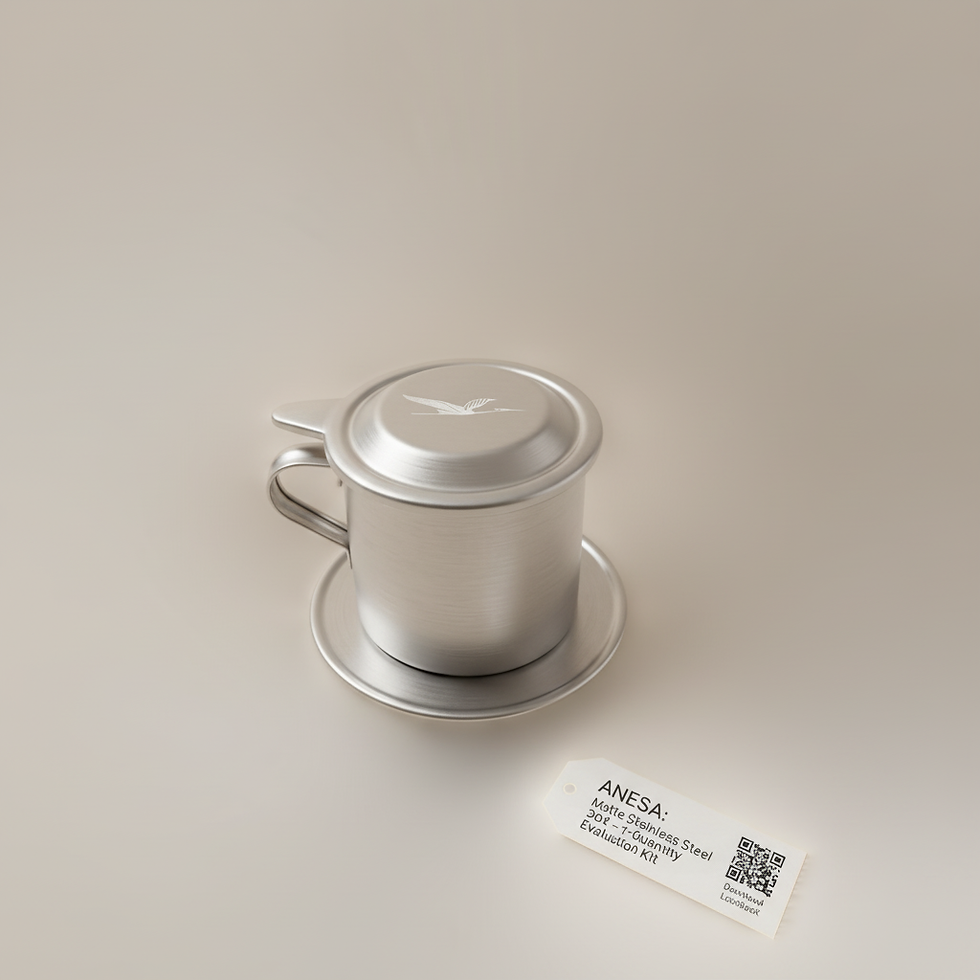
The Vietnamese phin is a compact drip filter made of metal, usually stainless steel or aluminum. It consists of four main parts:
A brewing chamber with small holes at the bottom
A perforated press to hold the coffee grounds
A lid to cover the chamber during brewing
A base plate that sits on top of the cup or glass
Unlike espresso machines or French presses, the phin relies on gravity and slow dripping to extract coffee. Ground coffee is placed inside the chamber, pressed lightly, and hot water is poured over it. The water slowly filters through the coffee grounds, dripping into the cup below.
This slow drip method produces a strong, concentrated coffee with a rich aroma and bold flavor. The phin’s design allows for control over brewing time and strength by adjusting the amount of coffee, water temperature, and pressure applied by the press.
Historical Roots of the Vietnamese Phin
Coffee was introduced to Vietnam by French colonists in the 19th century. However, the French brewing methods were not always practical or affordable for the local population. The Vietnamese adapted by creating the phin, a low-cost, easy-to-use filter that suited their needs and environment.
The phin became popular because it required minimal equipment, no electricity, and could be used anywhere. It also matched the Vietnamese preference for strong, dark coffee, often enjoyed with sweetened condensed milk. This adaptation helped coffee become a daily ritual and social activity across the country.
How the Phin Shapes Vietnamese Coffee Culture
Brewing Style and Flavor
The phin’s slow drip process extracts coffee differently than other methods. It highlights the deep, earthy notes of Vietnamese coffee beans, which are often robusta varieties known for their boldness and higher caffeine content. The resulting brew is thick and intense, perfect for mixing with condensed milk or ice.
This brewing style influences how Vietnamese coffee is consumed:
Cà phê sữa đá: Iced coffee with sweetened condensed milk, a refreshing and popular drink.
Cà phê đen đá: Black iced coffee, strong and bitter, enjoyed by purists.
Cà phê trứng: Egg coffee, where a creamy egg yolk mixture is added on top, creating a unique texture and flavor.
Social and Cultural Significance
Coffee in Vietnam is more than just a drink; it’s a social experience. The phin encourages slow sipping and conversation. Coffee shops often serve phin-brewed coffee, inviting customers to relax and enjoy the moment.
The ritual of waiting for the drip to finish creates anticipation and mindfulness. It also fosters connection, as friends and family gather around a table, sharing stories over cups of phin coffee.
Economic Impact
Vietnam is one of the world’s largest coffee producers, second only to Brazil. The phin plays a role in supporting local coffee farmers and small businesses. Its affordability and simplicity make it accessible to many, helping sustain domestic coffee consumption.
The global interest in Vietnamese coffee, including the phin brewing method, has also boosted exports and tourism. Visitors often seek authentic coffee experiences, contributing to local economies.
Practical Tips for Using a Vietnamese Phin
If you want to try brewing coffee with a phin at home, here are some useful tips:
Use medium-coarse ground coffee, preferably Vietnamese robusta or a blend.
Preheat the phin and cup with hot water to maintain temperature.
Add about 2 tablespoons of coffee to the chamber.
Pour a small amount of hot water (around 95°C or 203°F) to bloom the grounds for 20-30 seconds.
Fill the chamber with hot water and place the lid on.
Adjust the press to apply gentle pressure; too tight will slow the drip excessively.
Expect the brewing process to take 4-6 minutes.
Serve with sweetened condensed milk or ice if desired.
Experimenting with grind size, water temperature, and coffee amount can help you find your preferred taste.
The Vietnamese Phin in Modern Coffee Trends
The phin has gained international recognition as coffee enthusiasts explore diverse brewing methods. Specialty coffee shops outside Vietnam sometimes offer phin-brewed coffee, introducing new audiences to its distinctive flavor.
At the same time, some modern designs of the phin incorporate materials like glass or ceramic, blending tradition with contemporary aesthetics. This evolution shows how the phin remains relevant while honoring its roots.
Why the Vietnamese Phin Matters Today
The Vietnamese phin is more than a brewing tool; it represents a cultural identity and a way of life. It connects people to history, community, and the simple pleasure of a well-made cup of coffee.
In a world where fast coffee options dominate, the phin invites us to slow down, appreciate craftsmanship, and savor moments. Its importance lies in preserving tradition while adapting to changing tastes and lifestyles.
Whether you are a coffee lover, a cultural explorer, or someone seeking a new brewing experience, the Vietnamese phin offers a meaningful and delicious journey.

Comments